Jennifer June

Jennifer June

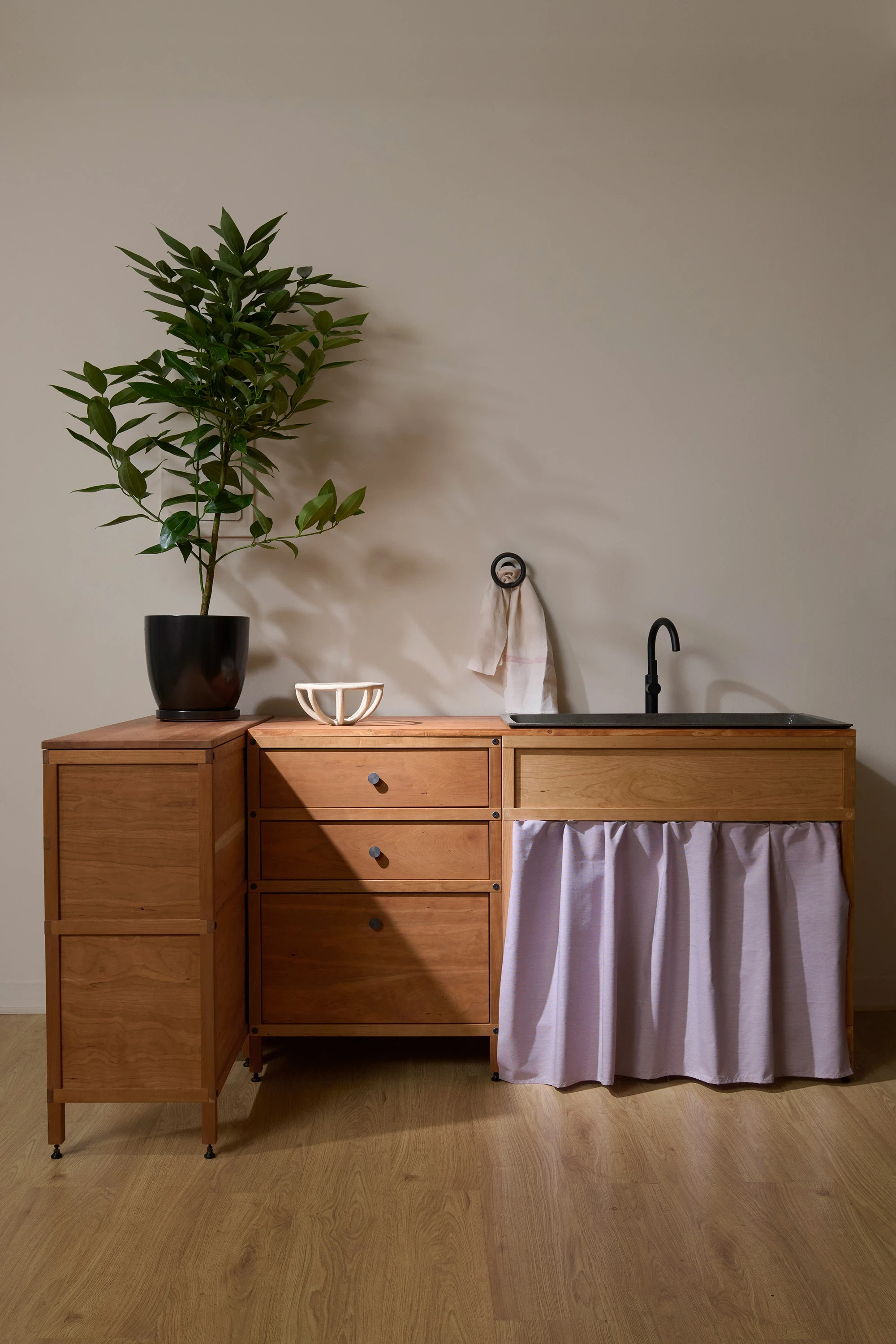
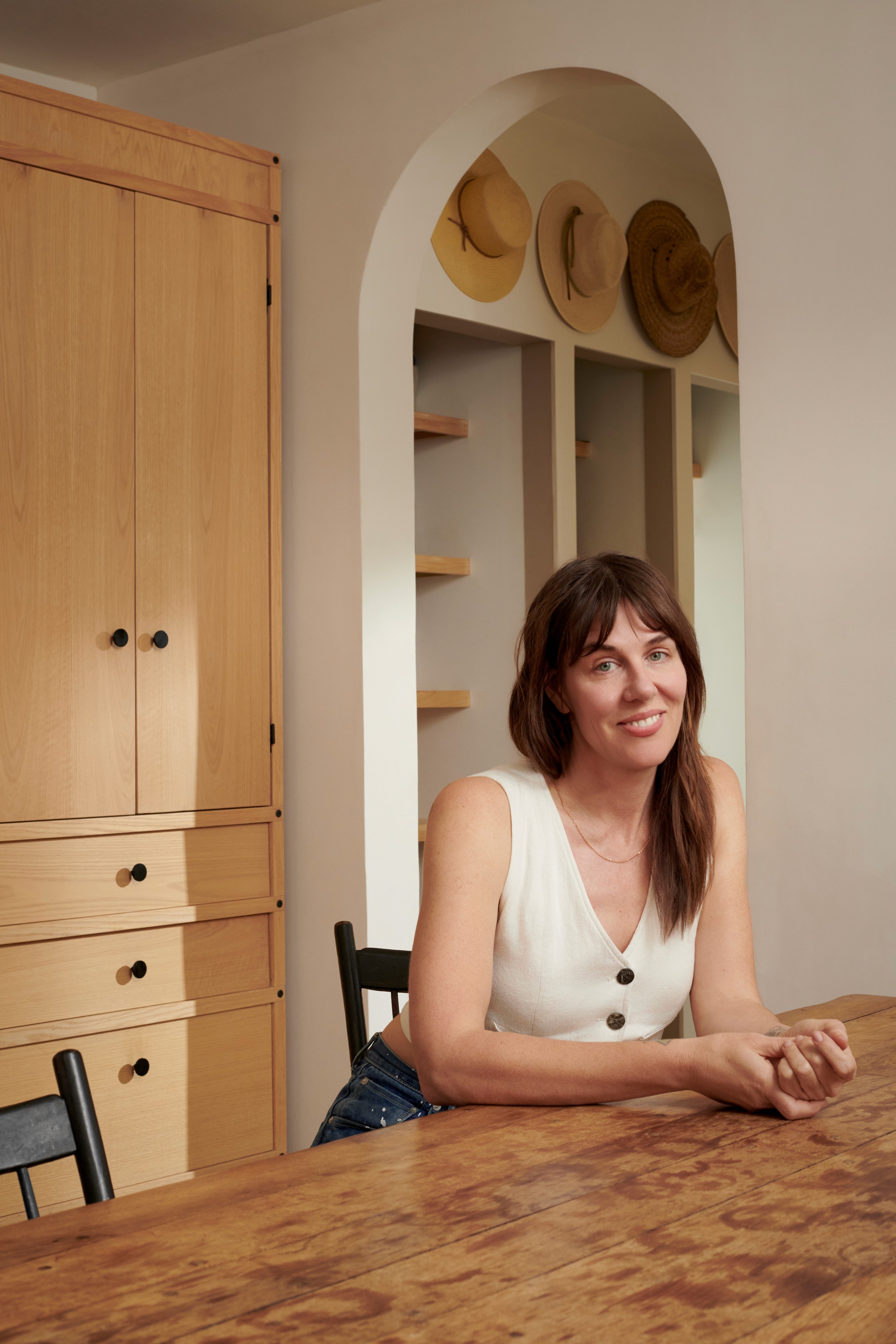
Jennifer June is a designer and maker whose work explores the relationship between materials, process, and place. Through her studio, Loose Parts, she builds furniture and modular cabinetry that bridges craft and system, pieces shaped by hand yet grounded in clear structural logic.

Her work has been featured in Dwell, Business of Home, Metropolis, Core77, and Upstate House, and exhibited at Alcova in Milan, ICFF and WantedDesign in New York, and Upstate Art Weekend. She has been teaching at Parsons School of Design since 2019, where she co-leads the Circular Interiors Studio in the MFA Interior Design program. She lives and works in the Hudson Valley.

Jennifer June is a designer and maker whose work explores the relationship between materials, process, and place. Through her studio, Loose Parts, she builds furniture and modular cabinetry that bridges craft and system, pieces shaped by hand yet grounded in clear structural logic.

Her work has been featured in Dwell, Business of Home, Metropolis, Core77, and Upstate House, and exhibited at Alcova in Milan, ICFF and WantedDesign in New York, and Upstate Art Weekend. She has been teaching at Parsons School of Design since 2019, where she co-leads the Circular Interiors Studio in the MFA Interior Design program. She lives and works in the Hudson Valley.

Where I build

Where I build

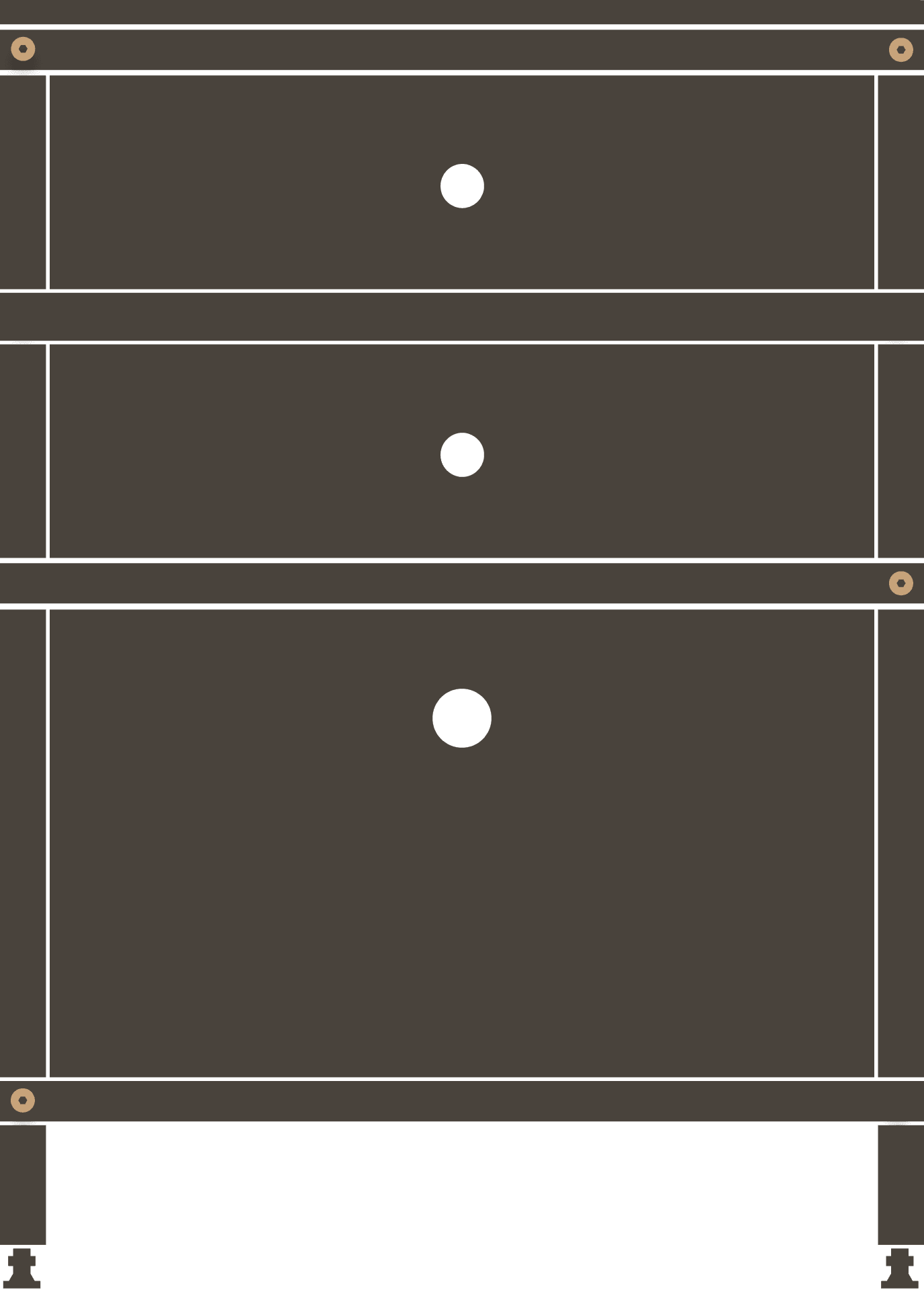
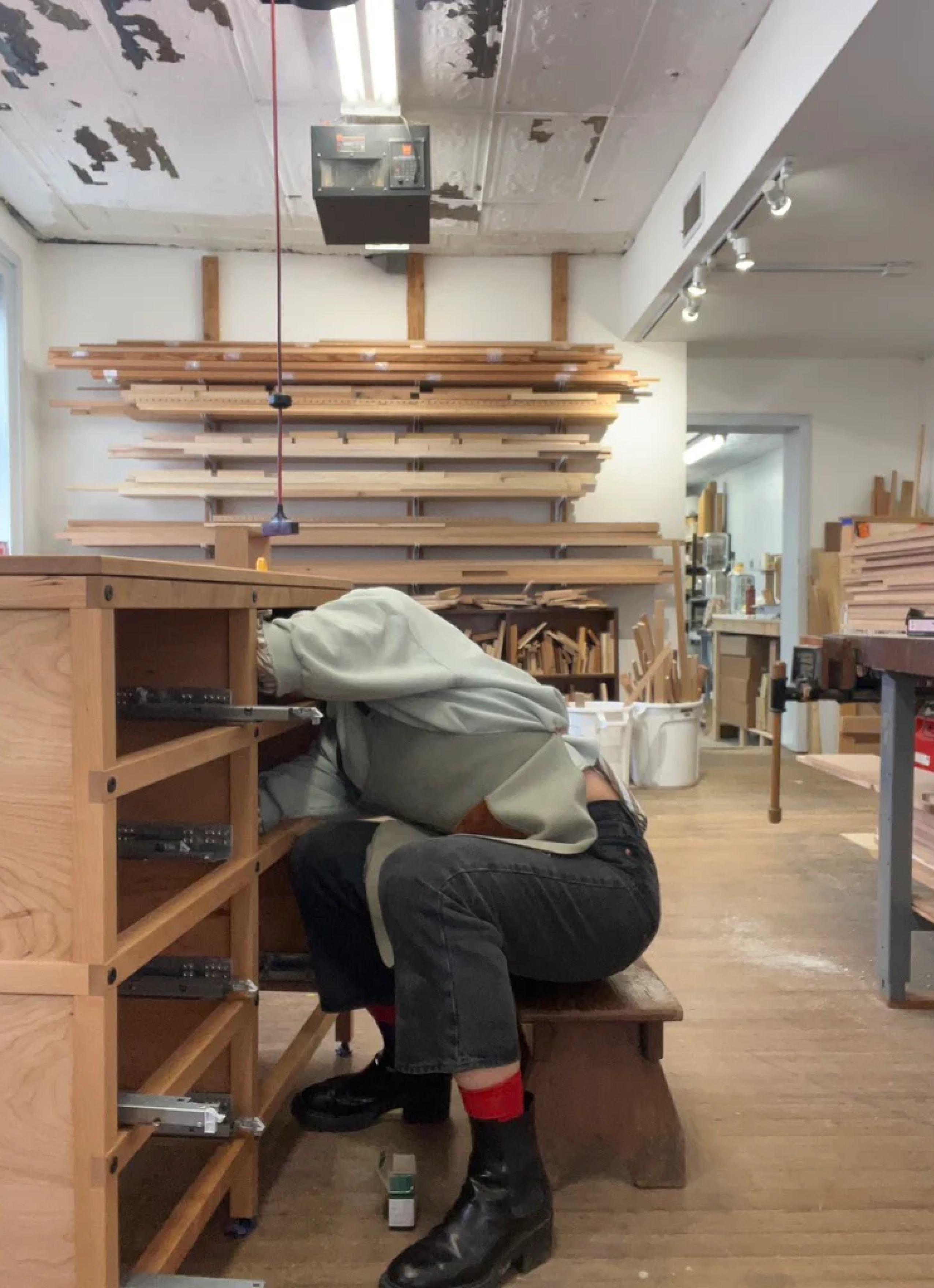
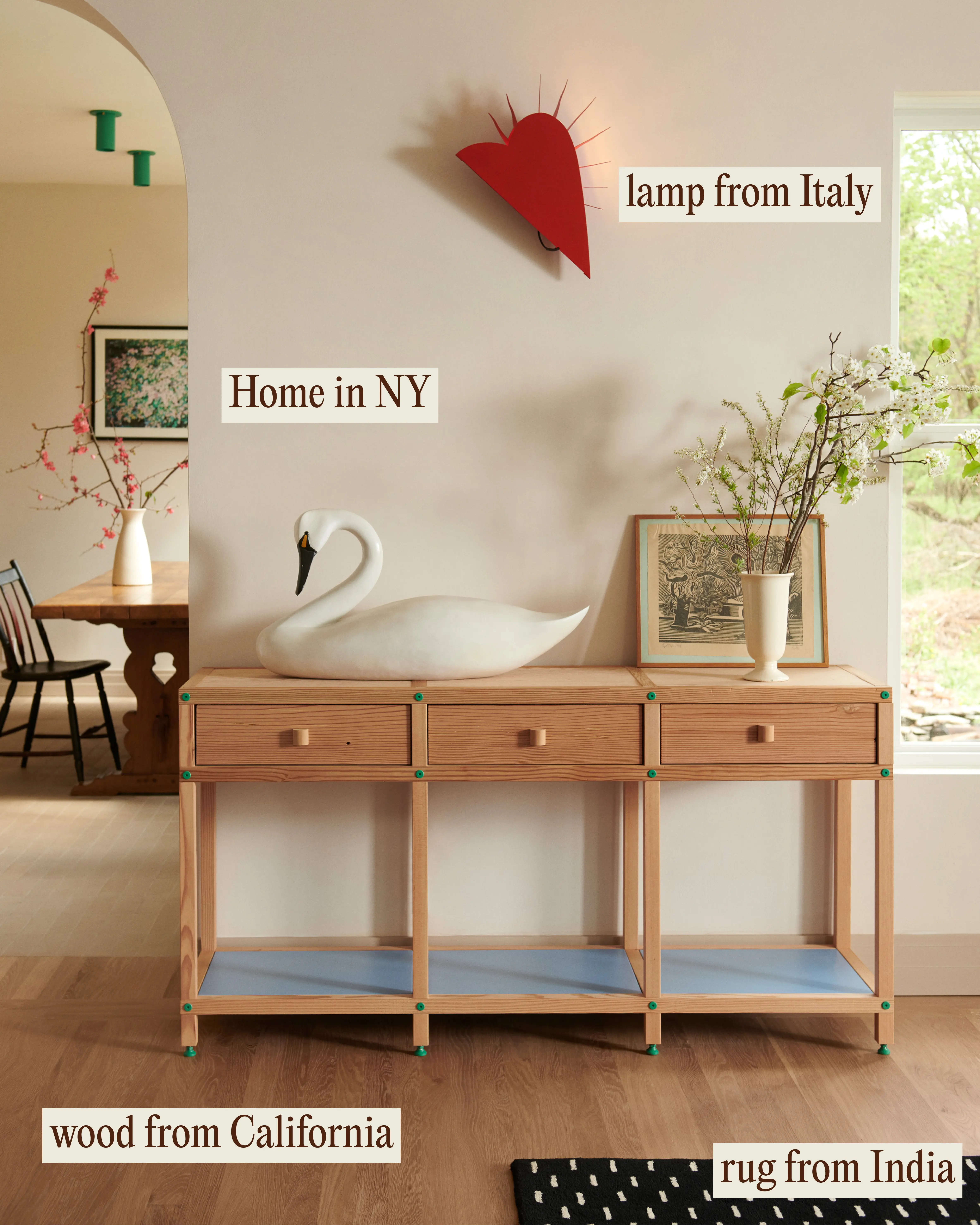
Our studio is small, in the Hudson Valley wood basket. The practice grew out of working in tight spaces, where pieces had to come apart and back together to fit through a door. Hence the name.​

Our studio is small, in the Hudson Valley wood basket. The practice grew out of working in tight spaces, where pieces had to come apart and back together to fit through a door. Hence the name.​

How I Source Materials

How you build it is as important as what you build

Materials Matter​

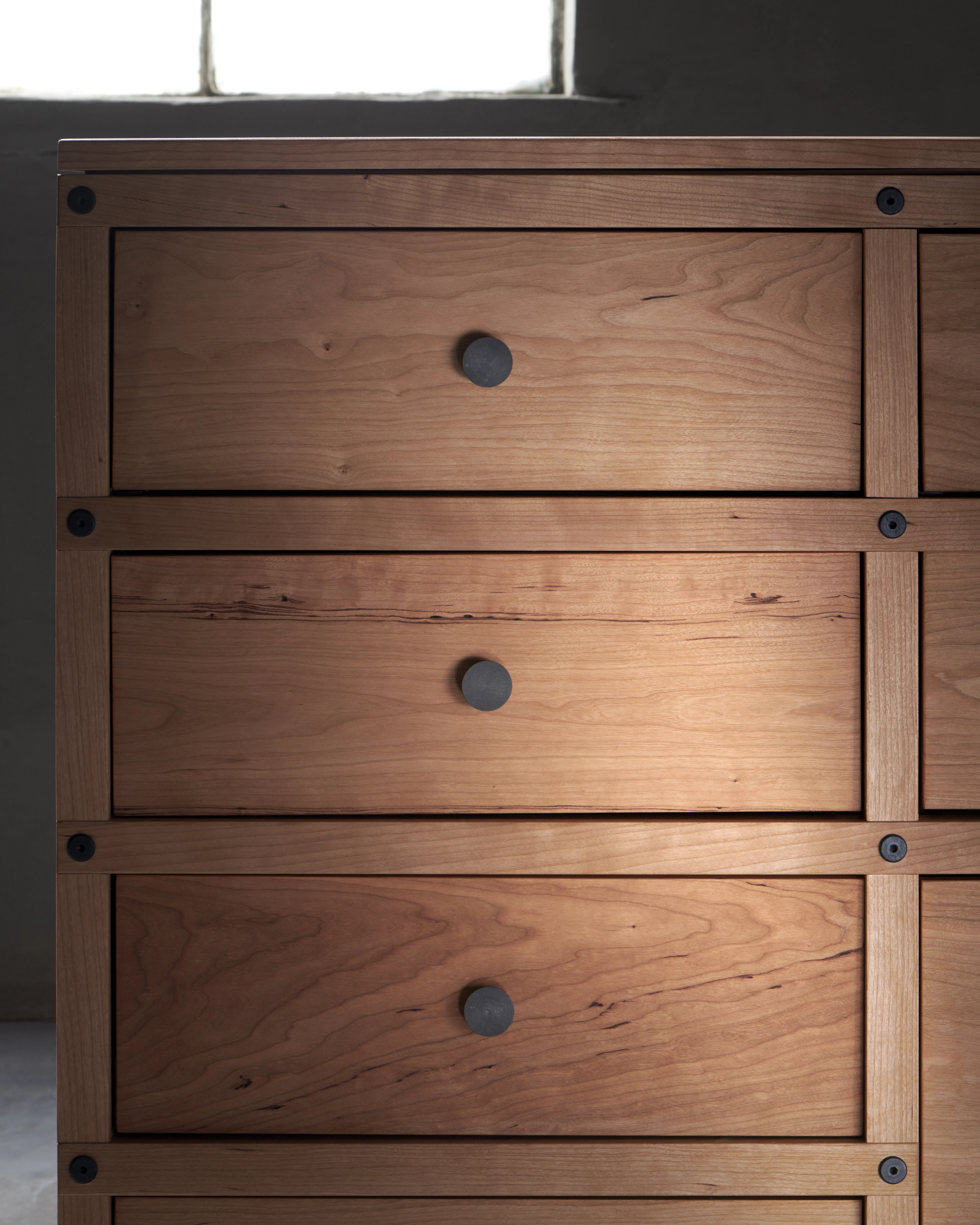
By choosing single origin materials, our system supports environmental and human health while also having intrinsic beauty that will patina over time. 
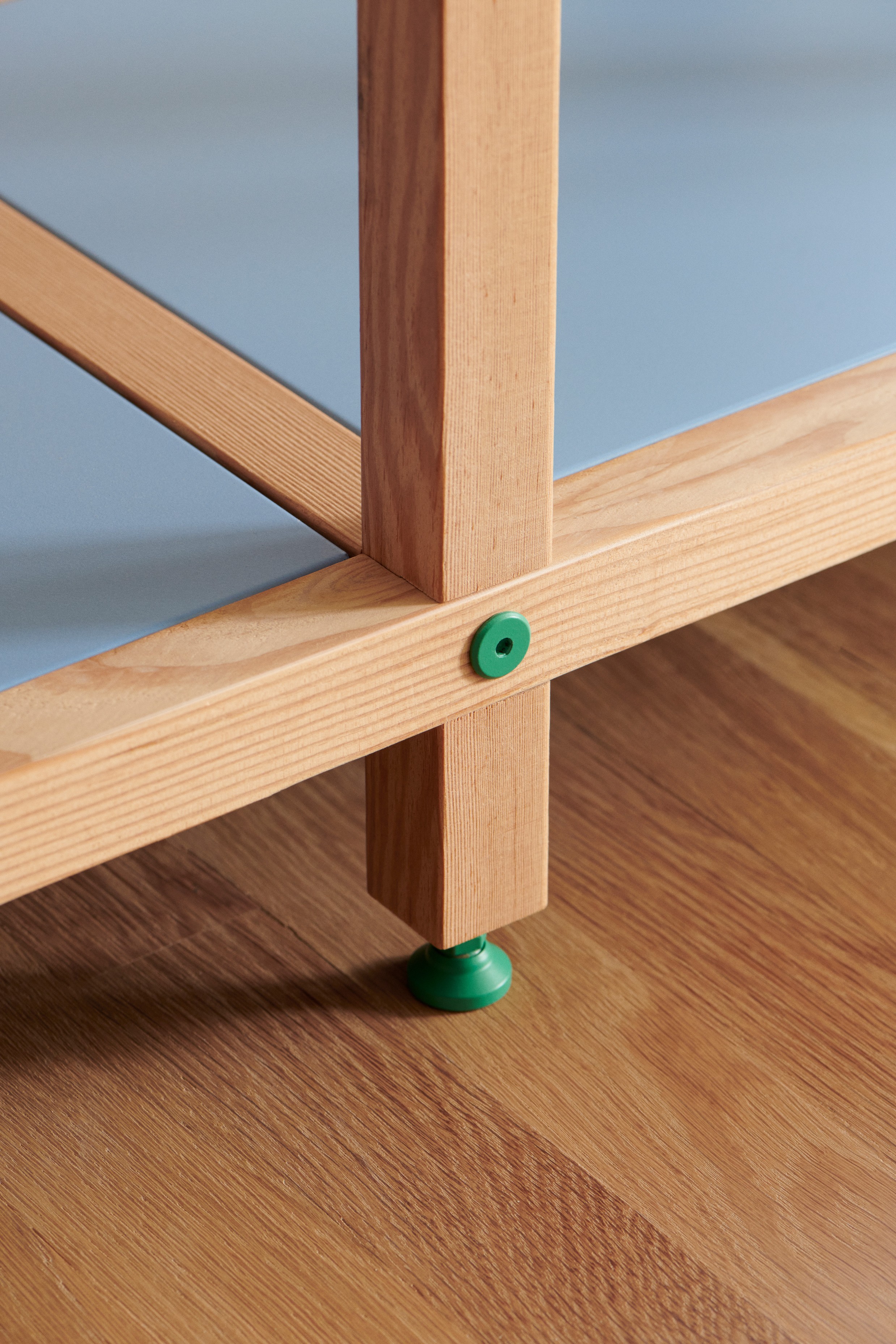
CHEMICAL FREE

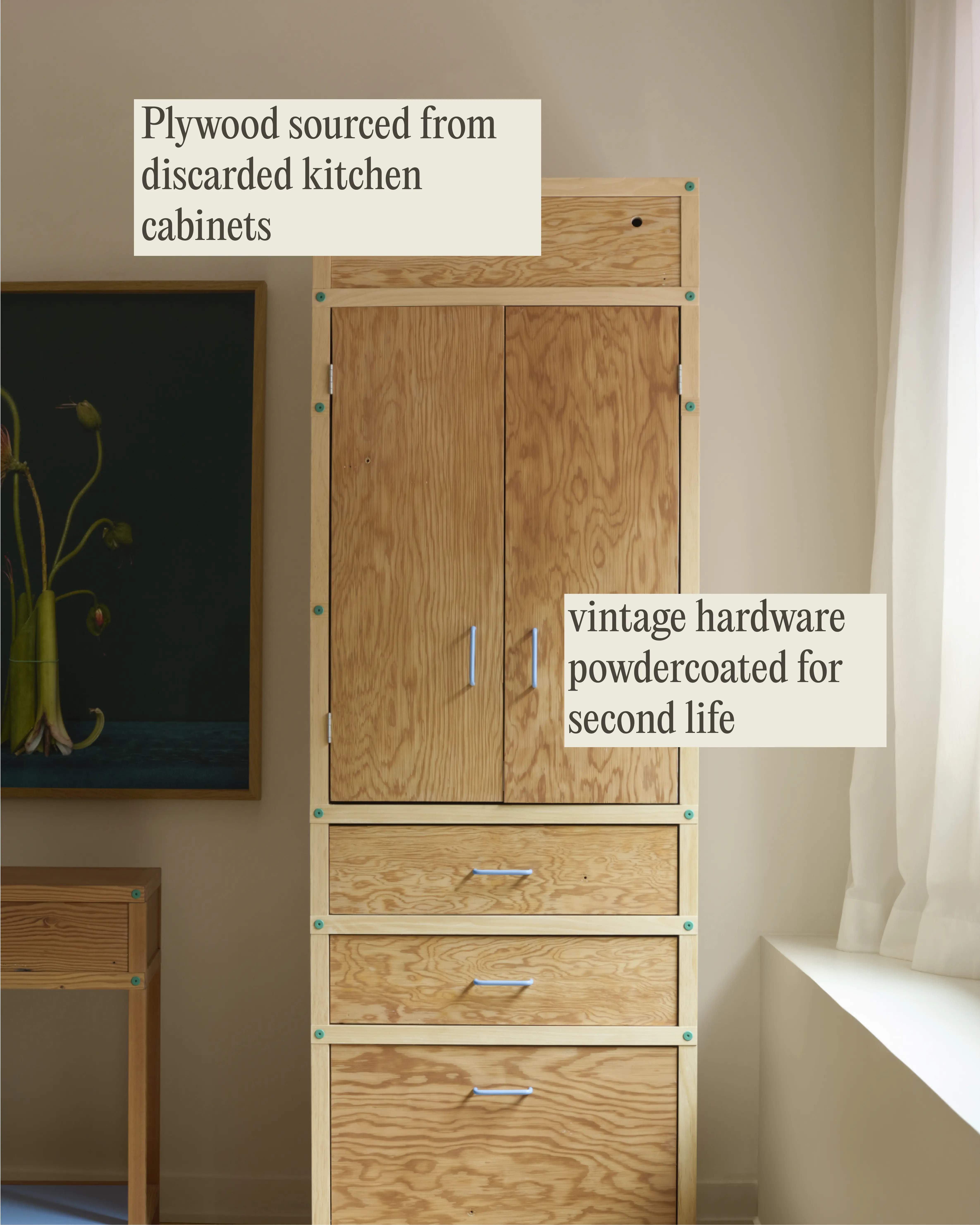
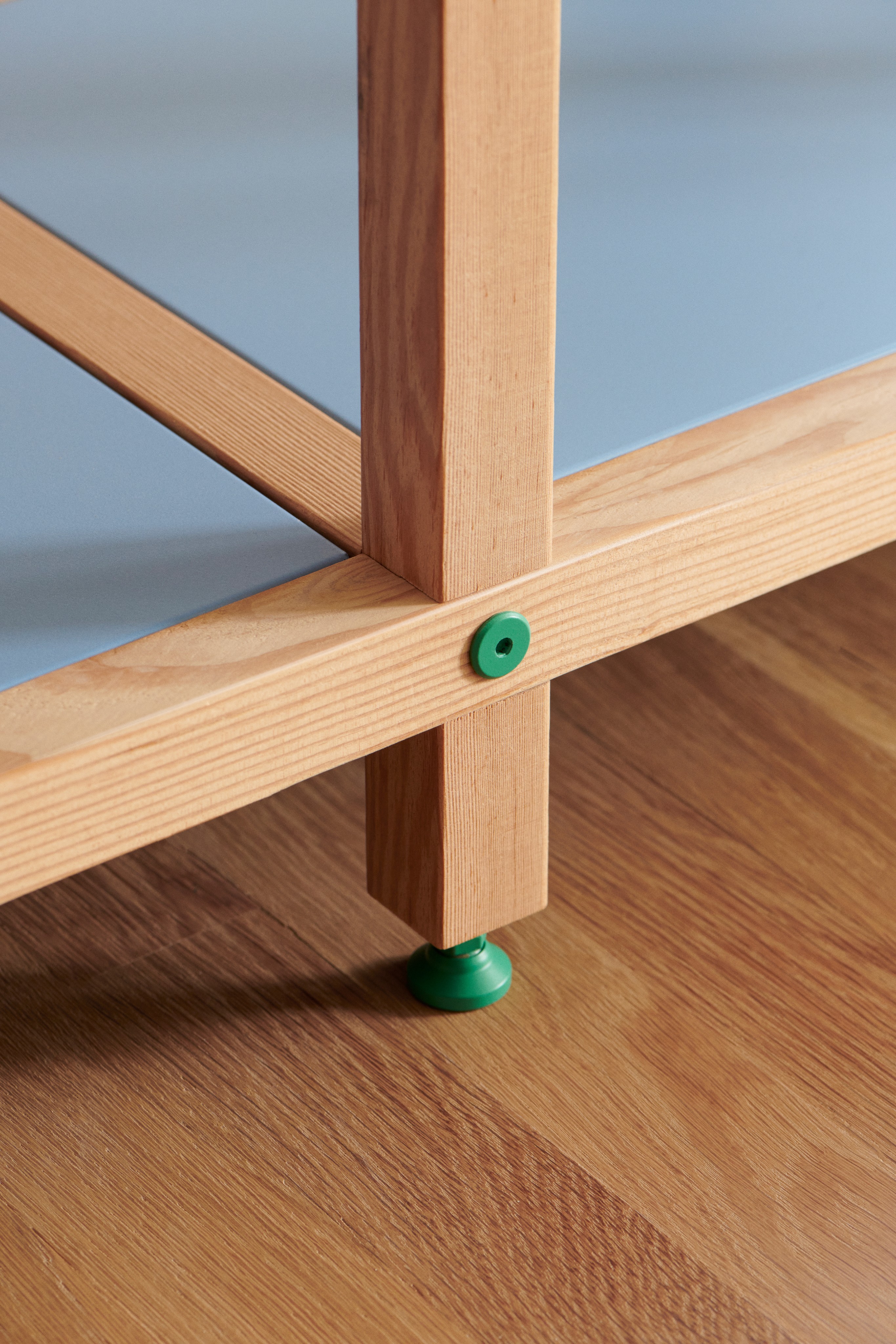
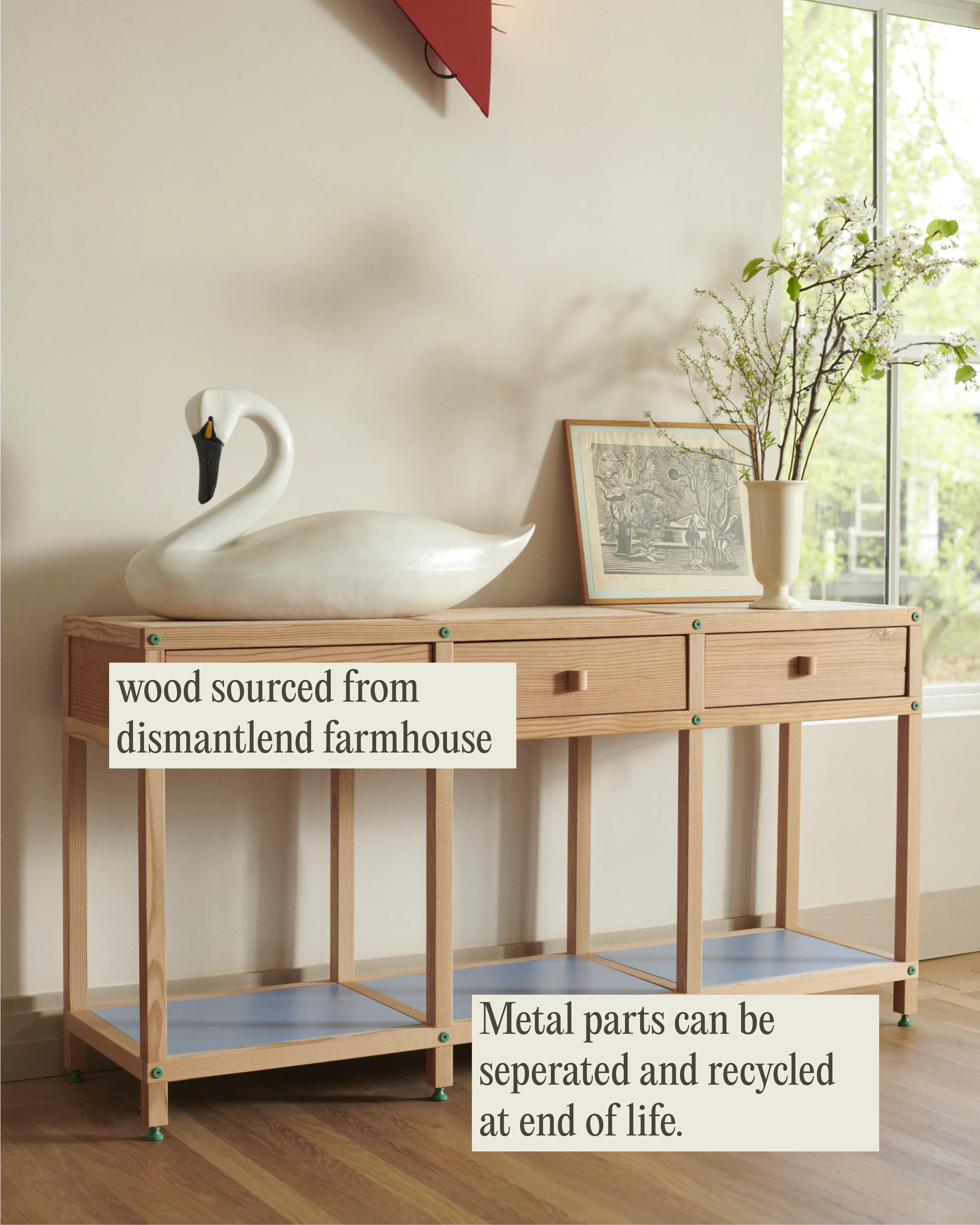
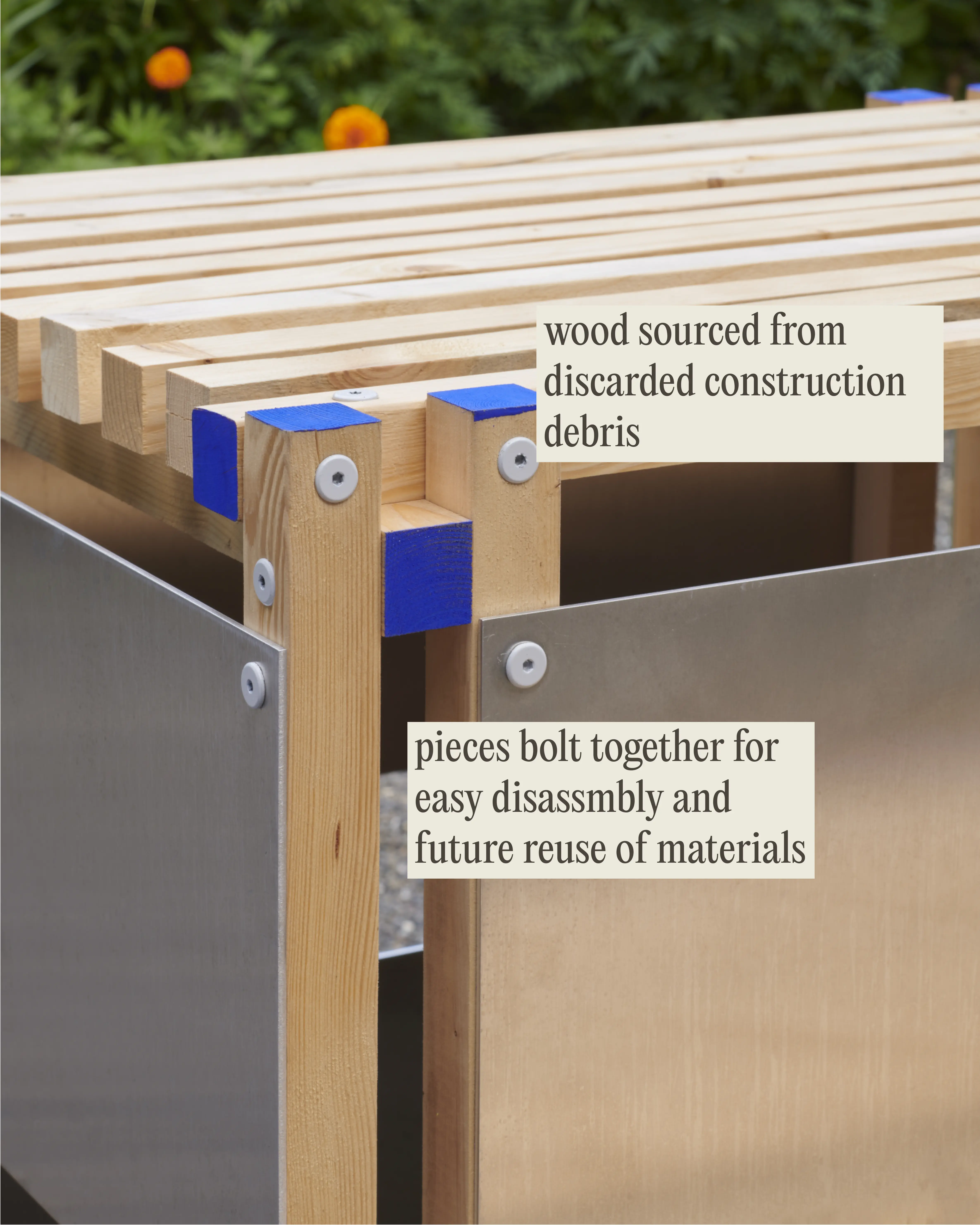
Solid wood throughout, no composites. Plant-based finishes, VOC-free. Powder-coated hardware, durable and applied without resin, epoxy, or lacquer.
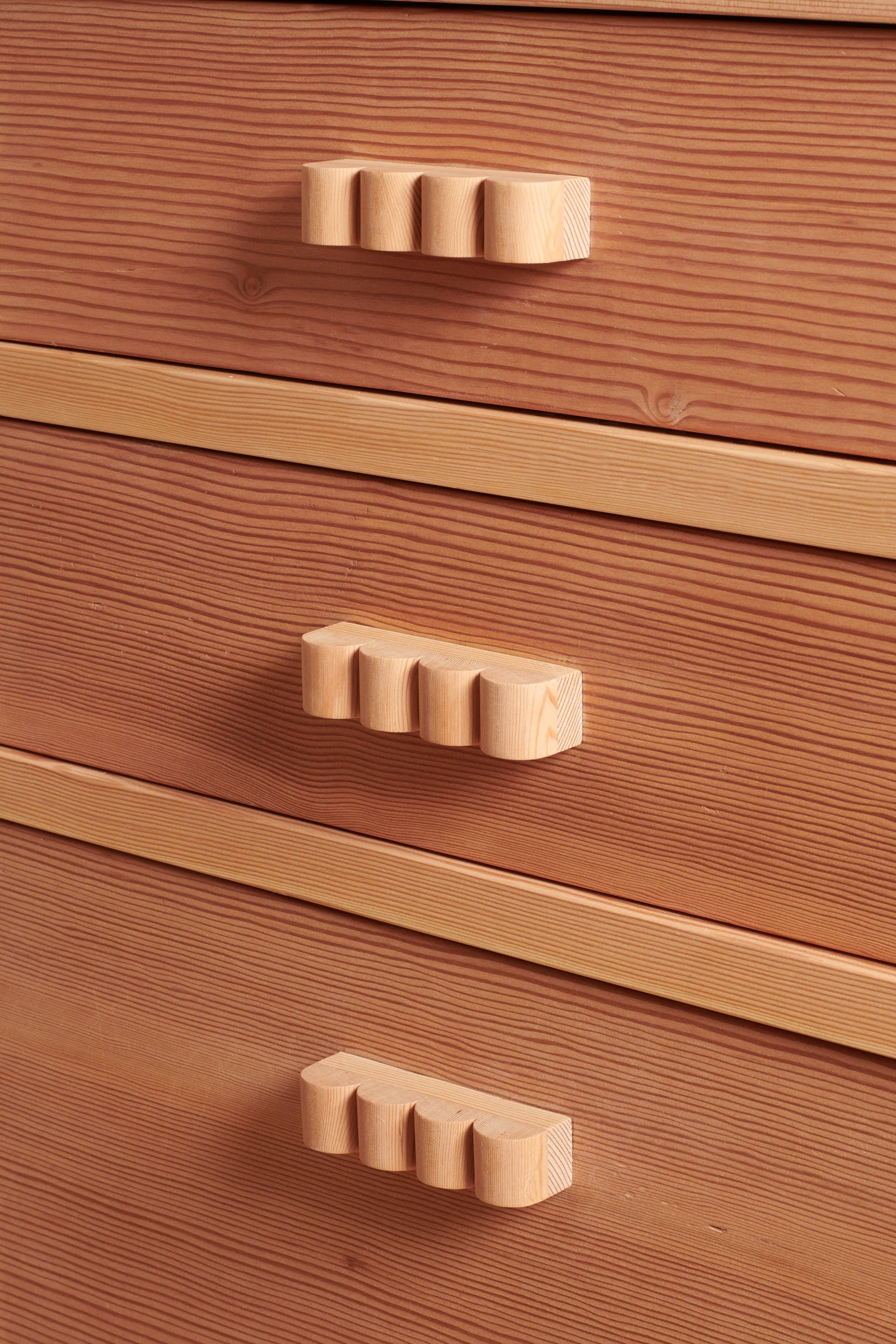
MINDFUL MILLING

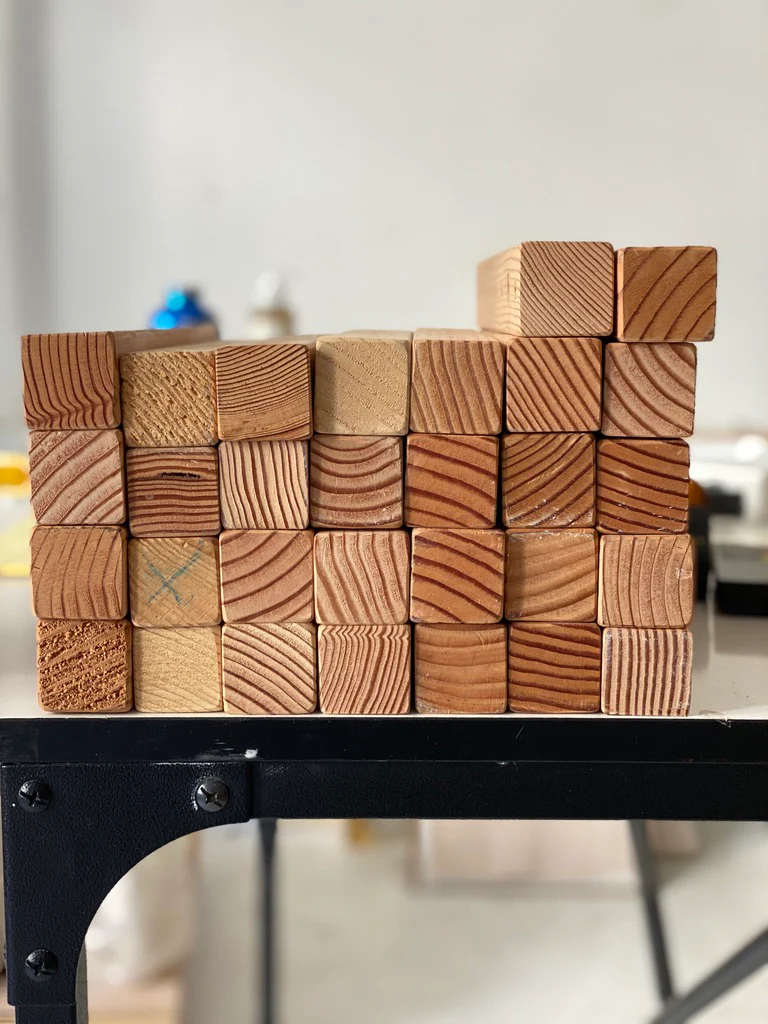
We work with a family owned mill that's been in operation for four generations and source our hardwoods from responsibly managed American forests.

HERITAGE TIMBER

We source wood from decommissioned barns and water towers, using timber from trees planted over a century ago, connecting you to landscapes of the past.

What is Circular Design?

To understand circular design, it helps to start with three ideas.


01

The materials that make up our interiors come from somewhere, serve a purpose, and move on again. They are always part of a larger cycle.

Everything is in motion

Everything is in motion

02

When something is discarded, it doesn’t disappear. It shifts location, to landfills, into waterways, or into the air.
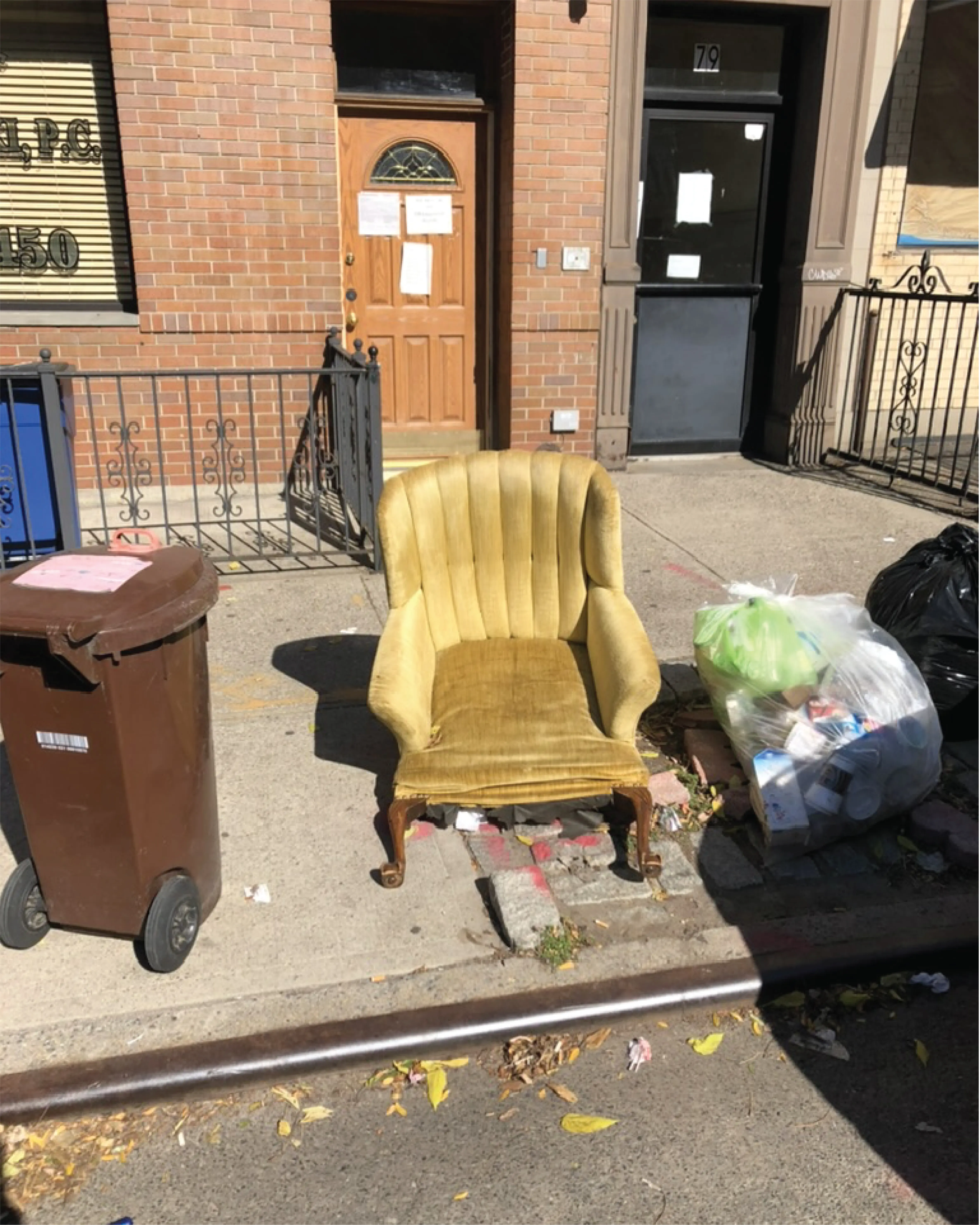
There is no “away”

There is no “away”

There is no “away”

03

With that in mind, the goal is to keep materials at their highest and most useful value for as long as possible, through thoughtful design, reuse, and adaptation.
Keep materials in use

Keep materials in use

Keep materials in use

Designed with you

Designed with you

Every kitchen takes shape in conversation, fitted to your home and how you live. ​

Every kitchen takes shape in conversation, fitted to your home and how you live. ​
  • Serious Design for Playful People
    Serious Design for Playful People
    Serious Design for Playful People
  • Serious Design for Playful People
    Serious Design for Playful People
    Serious Design for Playful People
  • Serious Design for Playful People
    Serious Design for Playful People
    Serious Design for Playful People

How I Source Materials

How you build it is as important as what you build

How I Source Materials

How you build it is as important as what you build

What is Circular Design?

What is Circular Design?

To understand circular design, it helps to start with three ideas.